In hospitality, there is no product to fall back on when the service fails — the service is the product. A hotel stay or a restaurant meal is judged on a chain of small moments, any one of which can define the whole experience and the review that follows it. Italy, a global destination where hospitality is part of the national brand, is a demanding stage for this. For hotel groups, restaurant chains, and HoReCa operators, mystery shopping is how the guest experience is measured objectively, across every location, before the guest does it for you in a public review.
The guest journey, measured end to end
A hospitality mystery shopping programme follows the full arc of a stay or a visit, because the experience is cumulative:
- Booking and pre-arrival — responsiveness, clarity, and the first impression set before the guest arrives.
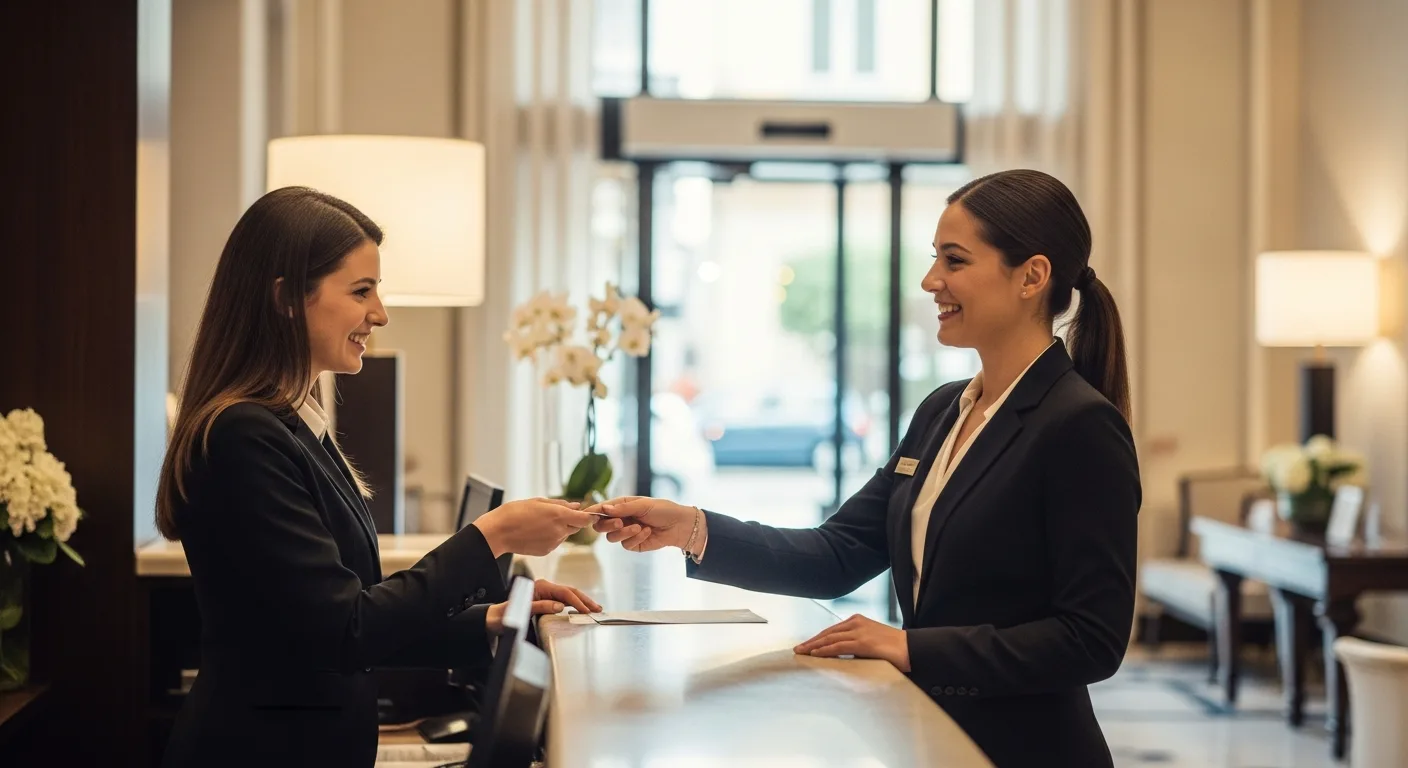
- Arrival and check-in — welcome, speed, warmth, and the handling of requests.
- The core experience — room and housekeeping standards, or the table service, food quality, and pacing in a restaurant.
- Problem handling — how a complaint or a special request is resolved, often the truest test of a team.
- Check-out and follow-up — the final impression and the invitation to return.
Each moment is assessed against the brand's standards and, where relevant, supported by photographic or audio evidence, turning a subjective stay into structured, comparable data.
Consistency is the whole game
A hospitality brand's promise is that the experience will be the same — the same warmth, the same standards — whether the guest is in Rome, Milan, or a resort on the coast. Yet every location is run by different people on different days, which makes consistency the central challenge and the central thing to verify. This is the same execution-drift problem that retail audits address in stores, applied to the guest journey: mystery shopping confirms whether the brand standard survives contact with each individual property.
Hygiene, compliance and the Italian context
Food service carries an objective layer alongside the experiential one. Audit-style checks can verify hygiene and HACCP-related standards, cleanliness, and compliance, sitting alongside the qualitative assessment of service. And the Italian context matters: expectations and service codes vary by region, and the bar for hospitality in a country that treats it as a point of national pride is high — the kind of nuance that catches operators who import a standard without local calibration, as brands often discover in the Italian market.
From insight to a better stay
Reviews tell you a guest was unhappy after the fact; mystery shopping tells you why, in time to fix it, and against your own defined standards. The findings drive staff training, location-level coaching, and recognition for the best teams, with re-measurement to confirm improvement — the measure-train-reward loop of the Mebius Method. The aim is fewer bad surprises in public reviews and a guest experience that holds up across the whole brand.
In summary
In hotels, restaurants, and HoReCa, the service is the product and consistency is the promise. Mystery shopping measures the full guest journey objectively across every Italian location, adds the hygiene and compliance layer where food is involved, and feeds the insight back into training — so the brand standard is something you verify, not something you hope for.
Want to measure the guest experience across your Italian locations? Discover our mystery shopping services or get in touch.
Read also
- Mystery shopping in Italy: the complete guide for international retailers
- Retail audits and in-store compliance checks across Italy
- Customer experience measurement for international brands in Italy
Where food is served, training has to hold speed and compliance together at once: food retail training, from counter to floor.